
Why Script Writing and Audio Planning Matter More Than Most People Think in Video Production
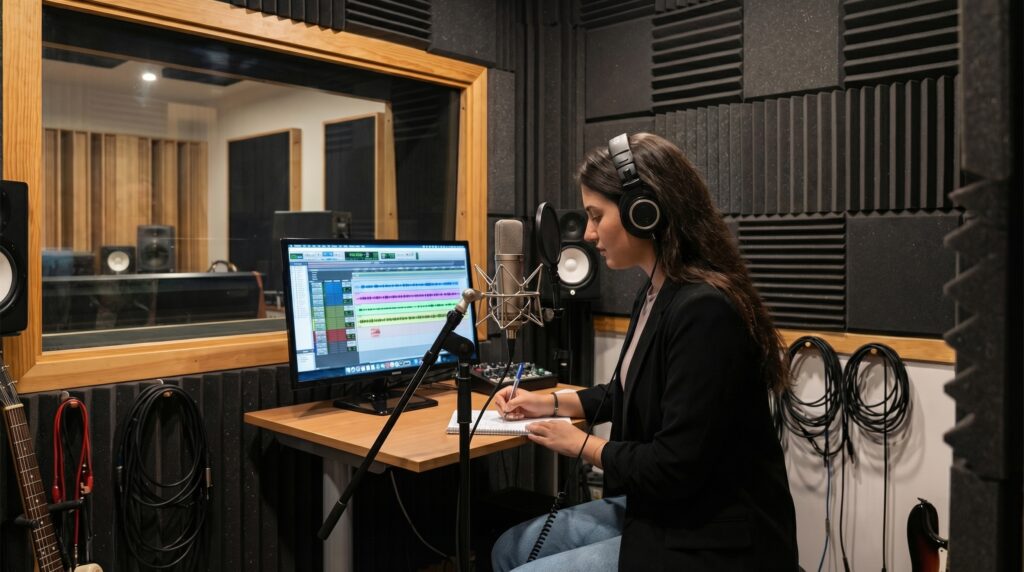
A lot of people focus on the visual side of video first. They think about the camera, the lens, the lighting, the location, and how cinematic everything will look. All of that matters, but there is another part of the process that often gets overlooked, and it can make or break the final result. That part is the audio.
Good video is not only about what people see. It is also about what people hear, and more importantly, what they understand and feel. That is why script writing, audio quality, message development, and music selection are some of the most important parts of video production. In many cases, they should be planned before the camera even starts recording.
The message should be clear before the shoot
Before filming anything, it is important to know exactly what message the video is supposed to communicate. What do you want the audience to learn, feel, or do after watching it? If that is not clear from the beginning, the production can easily lose direction.
Writing down the message helps give purpose to every decision in the project. It helps define what needs to be said, who needs to say it, what scenes are necessary, and what tone the video should carry. Without that clarity, a video may end up looking good visually but feeling empty or confusing.
A script does not always have to be long or formal. Sometimes it is a full voiceover script. Other times it is just a simple outline of key points, interview questions, or a rough structure for the story. What matters is that the message is intentional.
Script writing gives structure to the story
Script writing is not only for movies or commercials. It is useful for almost every kind of video, including social media content, promotional videos, testimonials, interviews, educational videos, and event recaps.
A script helps organize the flow of information. It makes sure the message starts strong, builds naturally, and ends with purpose. It also helps avoid wasting time during production because everyone involved has a clearer understanding of what needs to happen.
When a script is missing, people often try to figure out the story during editing. That usually creates more work, more revisions, and more frustration. Editing becomes a rescue mission instead of a creative finishing process.
A good script saves time, improves communication, and gives the video a stronger foundation.
Audio quality affects credibility
You can get away with imperfect visuals more than you can get away with bad audio. People are often willing to watch a slightly shaky or less polished image, but poor sound can make them stop watching almost immediately.
Bad audio can make a message feel unprofessional, distracting, or hard to trust. If the audience struggles to hear the speaker, if there is too much background noise, or if the sound is thin and unclear, the value of the message drops.
Audio quality matters whether the speaker is on camera or off camera. If someone is speaking directly to the audience, the sound needs to be clean and easy to understand. If the message is delivered through a voiceover, it needs to sound intentional, well recorded, and emotionally connected to the visuals.
Clear audio communicates confidence. Poor audio creates distance.
Audio is more than sound quality
When people hear the word audio, they often think only about microphones or recording levels. But audio is much bigger than that.
Audio includes:
- the spoken message
- the tone of voice
- the pacing of delivery
- natural sound from the environment
- music
- silence and pauses
All of these elements shape how the audience experiences the video. That is why audio planning should not be treated like a technical detail. It is part of the storytelling.
For example, the same visuals can feel inspiring, emotional, serious, or energetic depending on the audio choices behind them. A strong message delivered with the wrong tone can fall flat. Great visuals paired with the wrong music can send the wrong emotion. Even a simple pause in the right place can add power to a message.
Music sets the mood and rhythm
Music is one of the strongest emotional tools in video production. It influences the pace, the feeling, and the energy of a piece. It can make a scene feel uplifting, dramatic, reflective, urgent, or joyful.
That is why music should not be treated as an afterthought. Ideally, the general music direction should be considered before shooting and before editing begins. The type of music you plan to use can affect how scenes are filmed, how subjects perform on camera, and how the final edit is paced.
Yes, music can always be changed later. But when music is selected too late, or changed too many times during editing, it often creates a major revision process. Timing has to be rebuilt. Cuts may no longer match the rhythm. Emotional moments may stop working. Transitions that once felt natural may suddenly feel off.
Planning for music early makes the whole process smoother and more intentional.
Better planning leads to better editing
A lot of editing problems actually begin before production. If the script is unclear, if the audio is weak, or if the music direction was never discussed, the editor has to solve too many problems at once.
Good planning makes editing more efficient because the editor is not guessing what the story is supposed to be. The message is already defined. The audio is usable. The music direction supports the pacing. The footage has a purpose.
When that happens, editing becomes less about fixing and more about enhancing.
Final thoughts
Strong video production is not only visual. It starts with a clear message, a thoughtful script, clean audio, and intentional music planning. These are not secondary details. They are core parts of the storytelling process.
If you want your video to connect with people, do not wait until editing to think about what the audience should hear and feel. Write the message down. Plan the voice. Think through the music. Prioritize audio quality from the start.
Because at the end of the day, people may remember the visuals, but what moves them most is often the message they heard and the feeling the audio created.