From emergency services in Mexico to television, filmmaking, family, and a new chapter in Hawaiʻi
For a long time, I thought a successful life was supposed to look like a straight line. Choose a profession, master it, stay on course, and eventually arrive somewhere that feels like success. My life has looked nothing like that. It has been a series of experiments, unexpected invitations, difficult decisions, new countries, new careers, creative risks, and moments when I had to start again. Looking back, the changes were not distractions. They were the story.
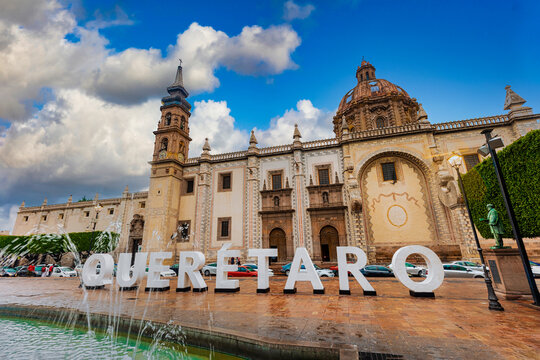
I grew up in Querétaro, Mexico, and from an early age I was curious about work that felt useful, active, and meaningful. I did not know exactly what I wanted to become. What I knew was that I wanted to do something that mattered.
I tried things before I understood where they would lead
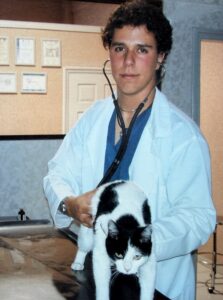
As a teenager, I did what many young people do, I tried different versions of myself. I was drawn to animals and spent time around veterinary work and horseback riding. At the same time, I became fascinated by emergency services. I trained in first aid, emergency medical response, firefighting, rescue, and other high-pressure situations. By the time I was about seventeen, I was already wearing a stethoscope and learning how to help when someone else was having one of the worst days of their life.
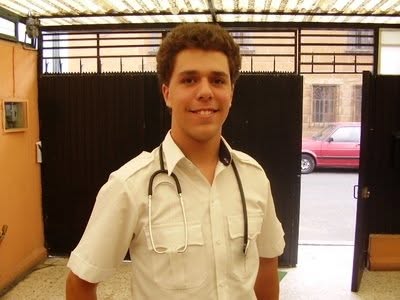
emergency medical services.
Those years taught me something I still use every day. Confidence is not knowing exactly what will happen. Confidence is knowing that when something unexpected happens, you can slow your mind down, evaluate what is in front of you, and respond. Emergency work trained me to stay calm, prioritize, communicate clearly, and focus on what I could control.
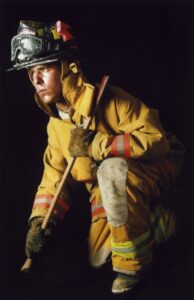
gave me an early education in teamwork,
risk, preparation, and composure.
Confidence is not knowing what will happen. It is knowing you can respond when it does.
But there was another reality. In Mexico, much of the emergency service work I was doing was volunteer or very poorly compensated. I loved helping people, but I also knew I wanted a life with more financial stability, more options, and room to build something of my own. That realization did not make the work less meaningful. It simply forced me to ask a harder question: what kind of life was I trying to create?
Communication became the bridge
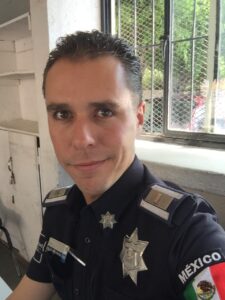
I decided to study Communication Sciences. That decision opened a new world: journalism, photography, television, radio, storytelling, marketing, and the psychology of how people receive information. While I was studying, an unexpected opportunity appeared. I was invited to become a police officer. It was not the original plan, but it offered a way to continue serving people while earning enough to help pay for school.
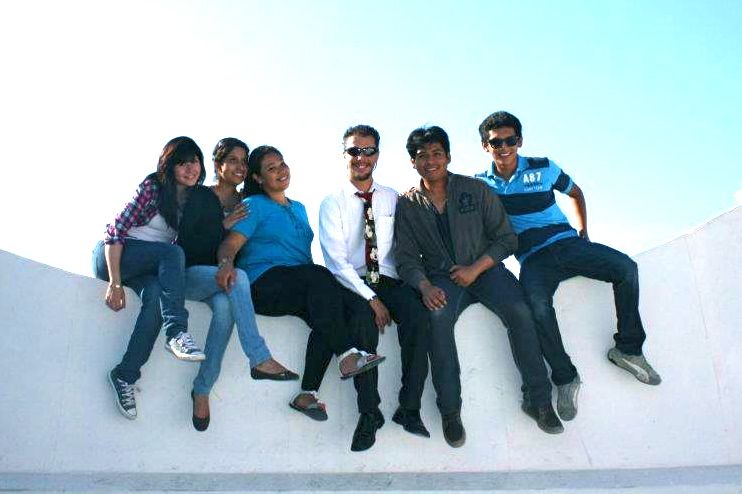
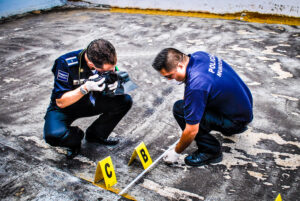
Police work brought together many parts of my life. I used emergency response skills. I worked with the public. I learned to make decisions under pressure. I also became increasingly interested in documentation, photography, and the power of visual evidence. A camera could record a scene, explain what words could not, and preserve a moment with precision.
Photography began to overlap with public service, documentation, and visual communication.
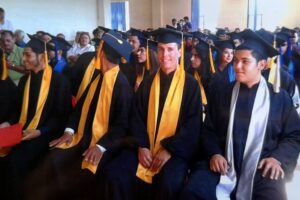
Finishing my degree did not mean I had finally discovered one permanent identity. It gave me something more useful: a language for all the things I had already been learning about people, pressure, observation, and communication.
Then I started over in the United States
In 2016, I moved to the United States. Starting over in a new country is humbling. Experience does not disappear, but the context changes. You have to learn new systems, new expectations, a new professional culture, and often a new way of explaining who you are. I arrived with years of life experience, but I still had to rebuild.
Wisconsin became the place where I connected my communication background with formal training in video and television production. At Milwaukee Area Technical College, I studied the technical side of production more deeply: cameras, editing, audio, live television, field production, and the discipline required to deliver a story on deadline.
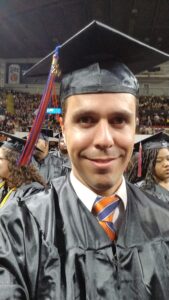
in Video and Television Production.
The camera became more than a tool
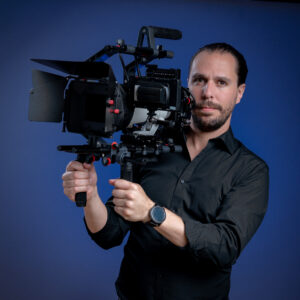
Television gave me a place where many of my past lives finally made sense together. As a reporter and anchor at Telemundo Wisconsin, I could use the communication skills I had studied, the calm I had learned in emergency services, the observational habits of police work, and the visual instincts I had developed through photography.
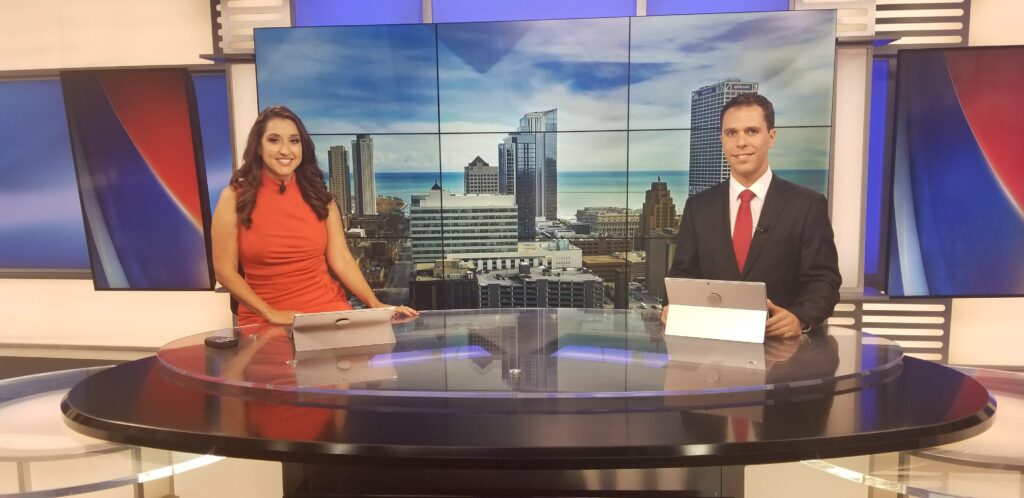
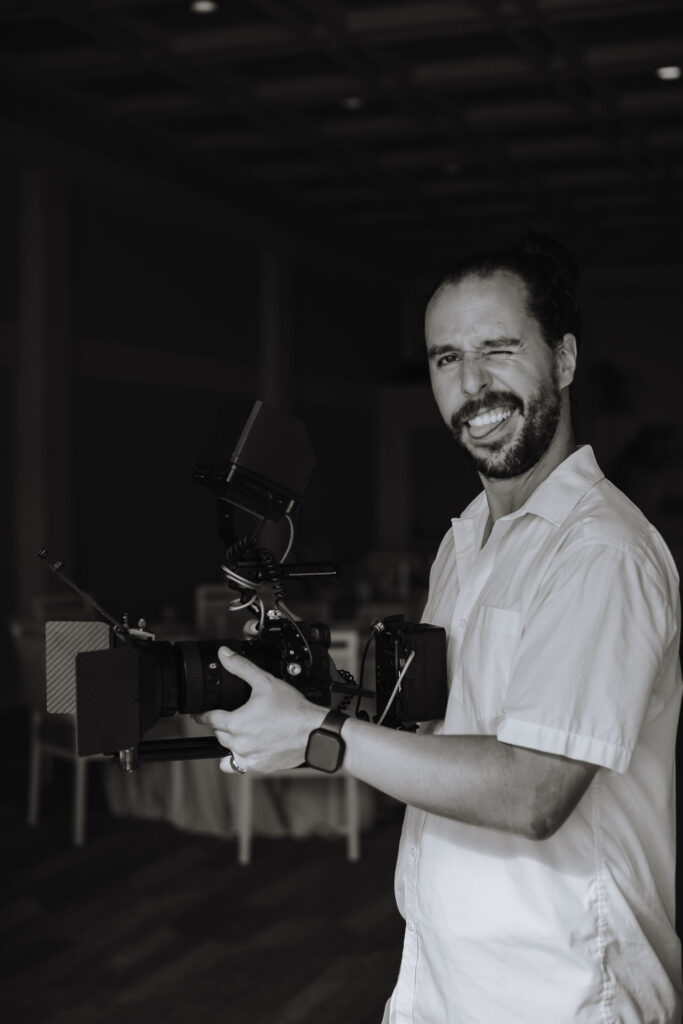
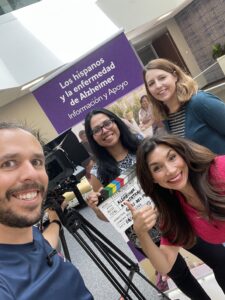
Later, my work expanded beyond being in front of the camera. I moved deeper into production, commercial content, editing, cinematography, and creative direction. At Telemundo Minnesota, I have worked across television and social media, producing stories, campaigns, interviews, event coverage, and branded content. At the same time, I built my own freelance work, creating video and photography for organizations, health care, education, small businesses, weddings, events, and community stories.
Dance changed more than my social life
One of the most important turns in my life did not come from school or work. It came from dance. Latin dance and Brazilian Zouk gave me community, friendships, confidence, and another way to communicate without speaking. I began photographing and filming events, partly because I loved the movement and partly because the camera gave me a reason to connect with people.
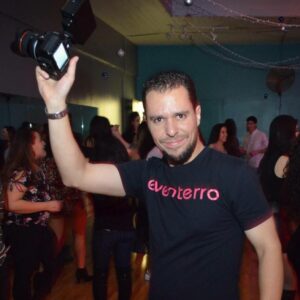
creative practice, and another doorway into storytelling.
That overlap between community and media eventually became central to how I see my work. The best stories are not simply polished. They make people feel seen. Whether I am filming a doctor, a student, a dancer, a family, a small-business owner, or a wedding, the goal is the same: understand what matters to them, then communicate it honestly.
The definition of success changed
Over time, my goals became less about collecting job titles and more about building a life. I married, became a father, built a creative career, and kept moving toward work with more independence and purpose. Family changed the way I measure decisions. A project can be exciting, but the bigger question is whether the life around the work is the life I actually want.
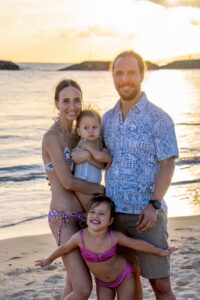
but about the life we are building together.
In 2026, our family moved to Oʻahu. Once again, I found myself in a familiar situation: a new place, new relationships, new opportunities, and the need to build. But this time I was not starting from zero. I was arriving with decades of accumulated skills, experiences, mistakes, relationships, and proof that reinvention is something I already know how to do.
What I know now
• You do not need to know your entire future in order to take the next useful step.
• Skills transfer in ways you cannot always predict. Emergency response taught me how to produce under pressure. Police work sharpened observation. Journalism improved my questions. Dance improved connection. Fatherhood changed my priorities.
• A career does not have to be a straight line to be coherent.
• Starting over is not the same as losing progress. You carry what you have learned with you.
• The goal is not to avoid uncertainty. The goal is to become someone who can respond to it.